Boosting Home Efficiency with Spray Foam Insulation: A Guide to the Benefits and Installation
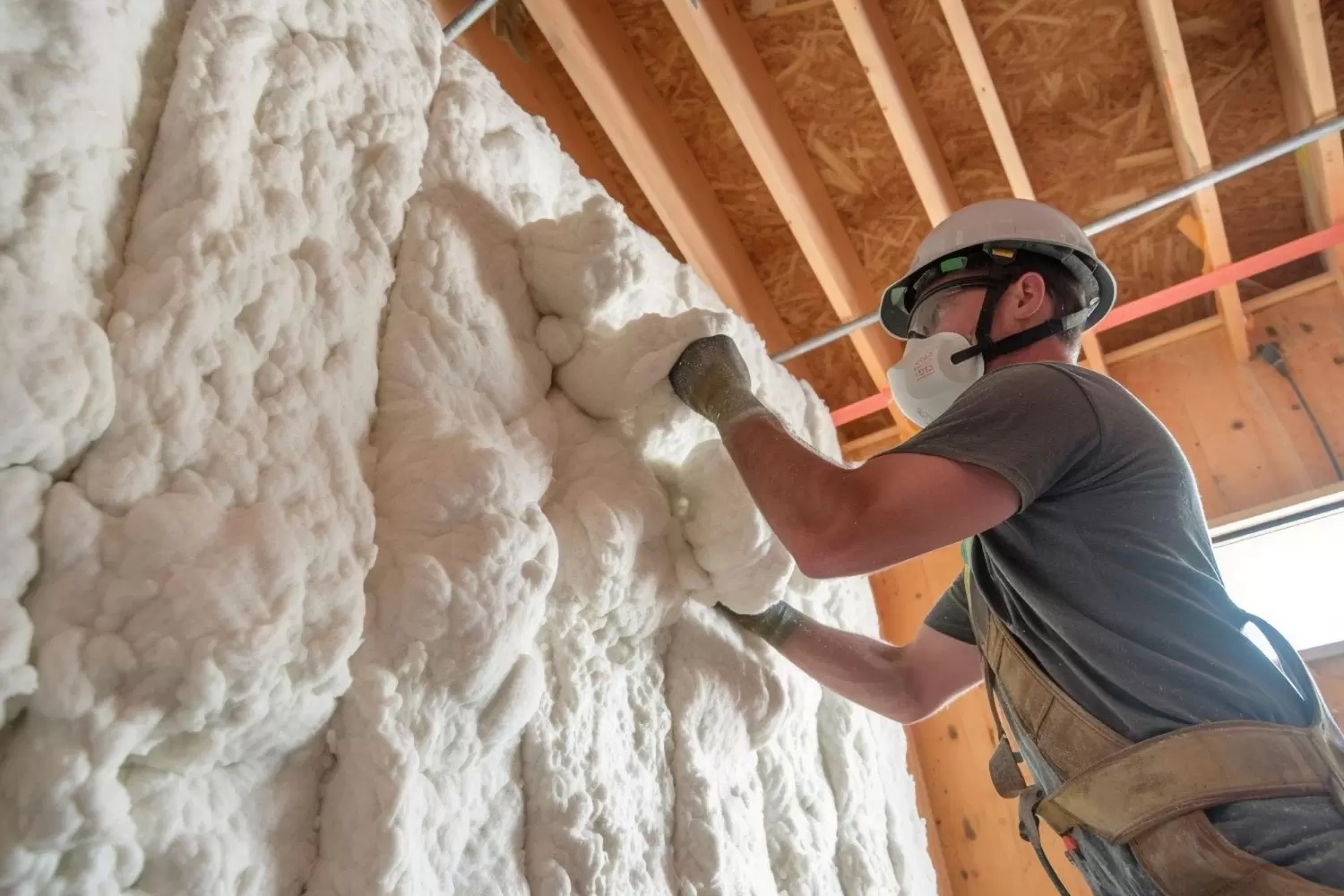
Keeping your home cozy in winter and cool in summer shouldn’t feel like an endless battle. Spray foam insulation is becoming a go-to solution for homeowners looking to enhance energy efficiency and cut down on utility bills. But what exactly is spray foam, and why is it so popular? Let's break down the advantages, types, and why it could be the right choice for your home.
What is Spray Foam Insulation?
In simple terms, spray foam insulation is a polyurethane-based product applied as a spray, expanding to form a thick, airtight seal on walls, ceilings, or other surfaces. Unlike traditional insulation materials, like fiberglass, spray foam provides an ultra-tight barrier that keeps air, moisture, and even sound from entering or escaping your home.
Benefits of Spray Foam Insulation
Wondering why so many are switching to spray foam insulation near me? Here’s what makes it a game-changer:
- Energy Efficiency: By filling every nook and cranny, spray foam insulation creates a solid thermal barrier, helping your home stay warmer in the winter and cooler in the summer.
- Reduced Utility Bills: By preventing heat loss and minimizing air leakage, foam insulation can help reduce energy bills by up to 50%.
- Improved Indoor Air Quality: Spray foam minimizes dust, allergens, and pollutants from entering your home, resulting in cleaner air.
- Increased Home Value: As an energy-efficient upgrade, spray foam can boost your home's market appeal and long-term value.
- Soundproofing: Foam insulation dampens external sounds, making your home quieter and more peaceful.
Types of Spray Foam Insulation
When considering spray insulation for your home, you have a couple of options to choose from:
1. Open-Cell Spray Foam
Open-cell spray foam is lightweight, affordable, and expands significantly when applied, making it excellent for insulating hard-to-reach areas. It has a lower R-value than closed-cell foam, which measures thermal resistance, but it offers great soundproofing benefits.
2. Closed-Cell Spray Foam
Closed-cell spray foam, on the other hand, is denser and has a higher R-value, making it more effective at insulating. Its structure also makes it water-resistant, which can be especially helpful in areas prone to moisture. While it’s more costly, the durability and efficiency make it a long-lasting choice.
Why Choose Spray Foam Over Traditional Insulation?
You might wonder: Why switch from fiberglass or cellulose? Traditional insulation does an adequate job, but spray foam takes insulation a step further by creating a perfect seal. It doesn’t sag over time, doesn’t allow mold growth, and has a higher R-value, meaning you get better insulation and peace of mind.
How to Find the Right Installer for Spray Foam Insulation
Getting the best results means finding the right installer. Start by searching for spray foam insulation near me and look for reputable professionals with experience and positive reviews. Here are some tips to make sure you’re choosing the right service:
- Request References: Ask for previous client reviews to gauge the quality of work.
- Get a Quote: Don’t settle for the first estimate. Compare costs to ensure you’re getting fair pricing.
- Ask About Materials: Make sure the installer is using quality spray foam products that offer lasting efficiency.
Making the Move to Spray Foam
Investing in spray foam insulation is a decision that pays off in more ways than one. It can drastically cut your energy expenses, create a quieter home environment, and even increase property value. With its versatility and effectiveness, spray foam insulation is truly an upgrade worth considering.
Ready to take the next step? Explore local options for spray foam insulation near me and consult with a professional to see how this innovative solution can transform your home into an energy-efficient haven.


Comments
Post a Comment